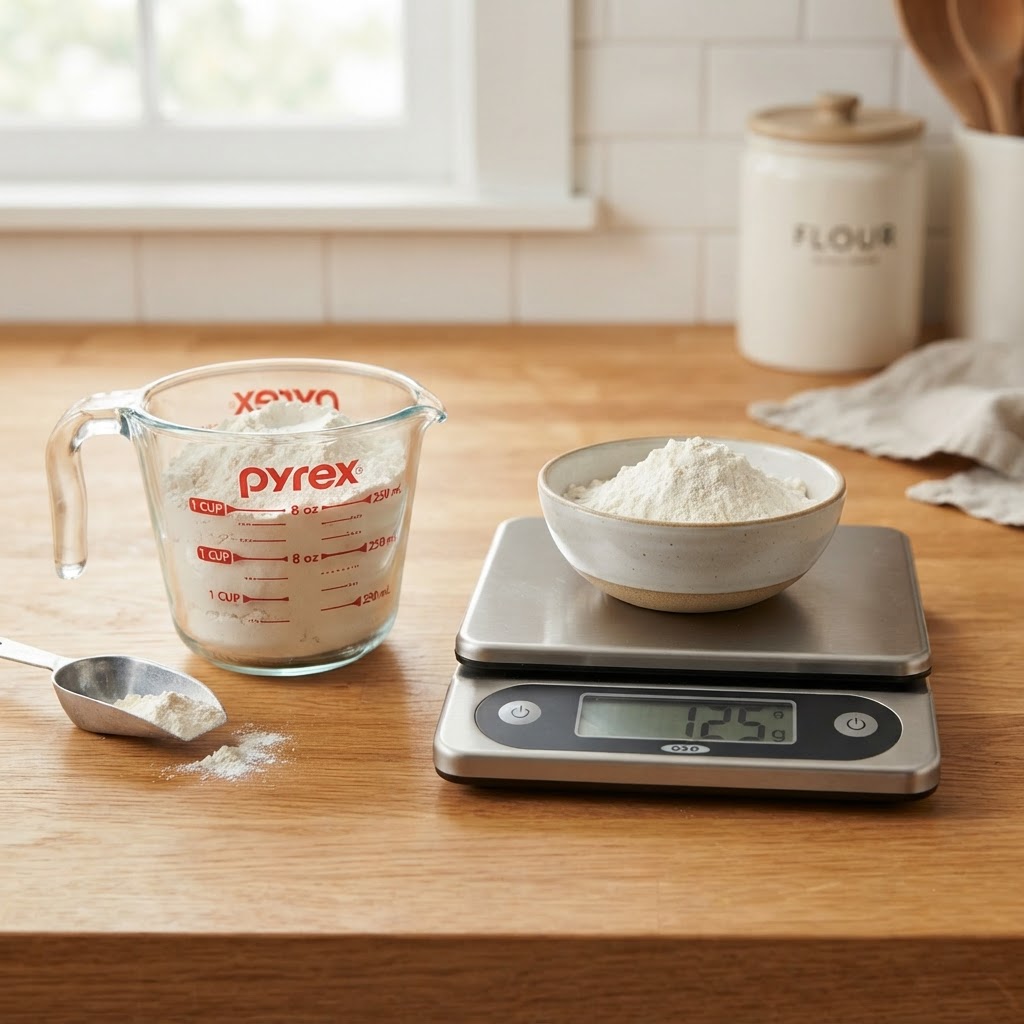
The 'Cup' Misconception: Why Standard Volume Isn't Standard
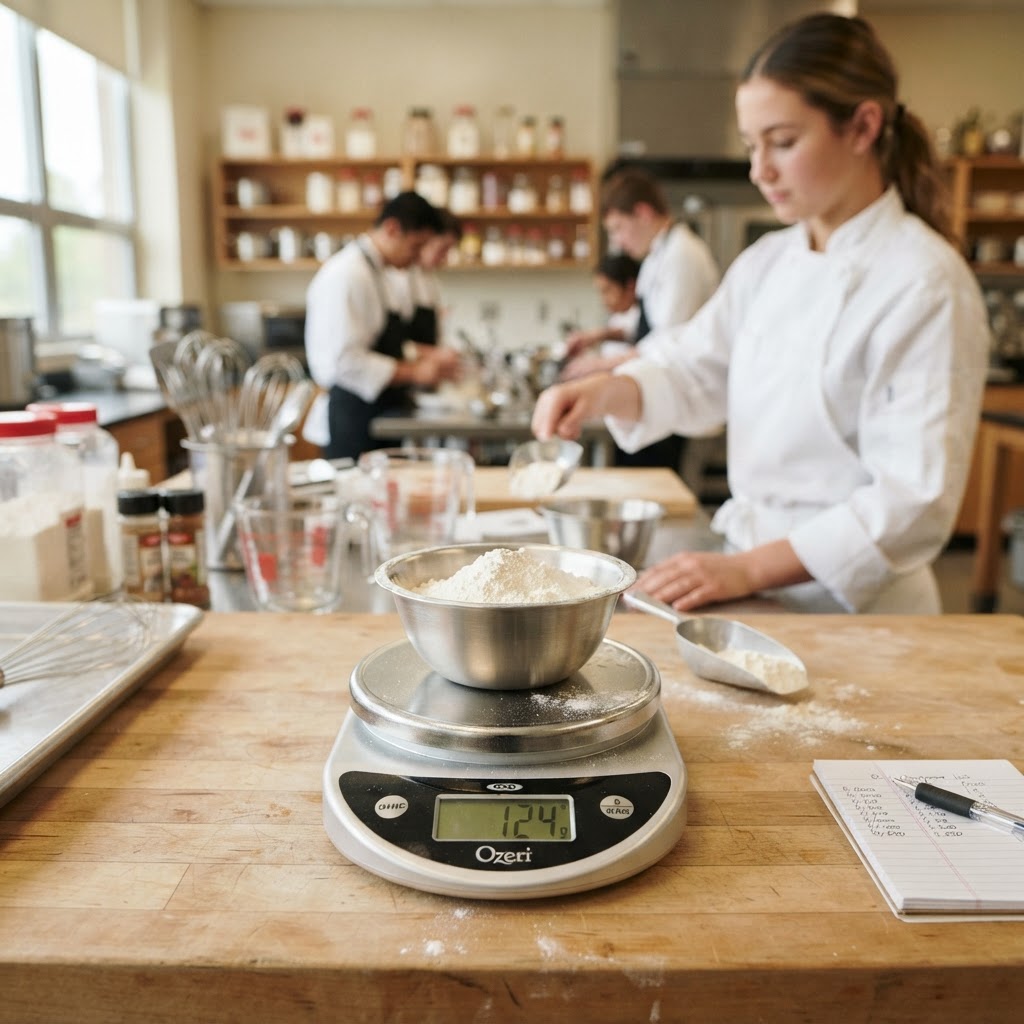
Measuring by volume introduces hidden variables in your kitchen labs, so switching to mass provides the scientific accuracy your students need for consistent…
Read article →
THE BLOG
Practical teaching strategies, classroom activities, and food science resources for middle and high school educators.


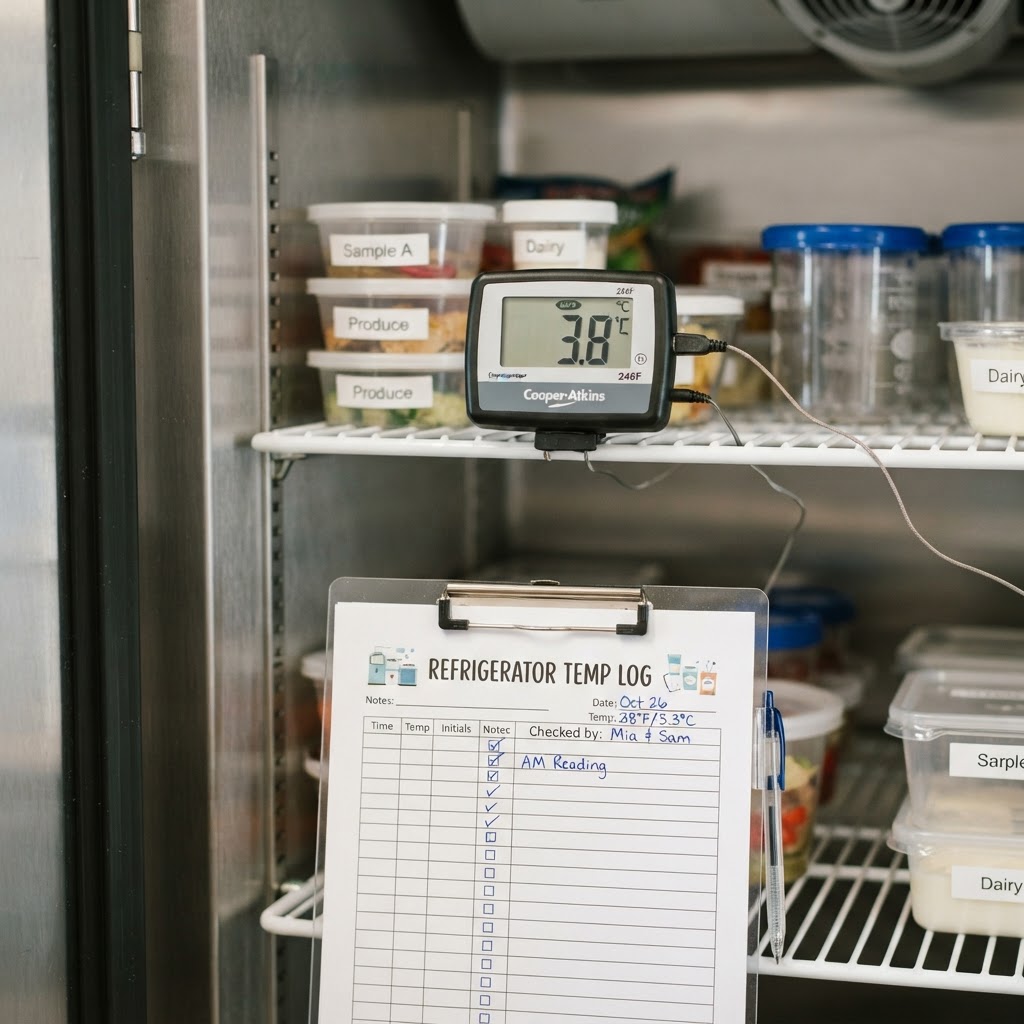
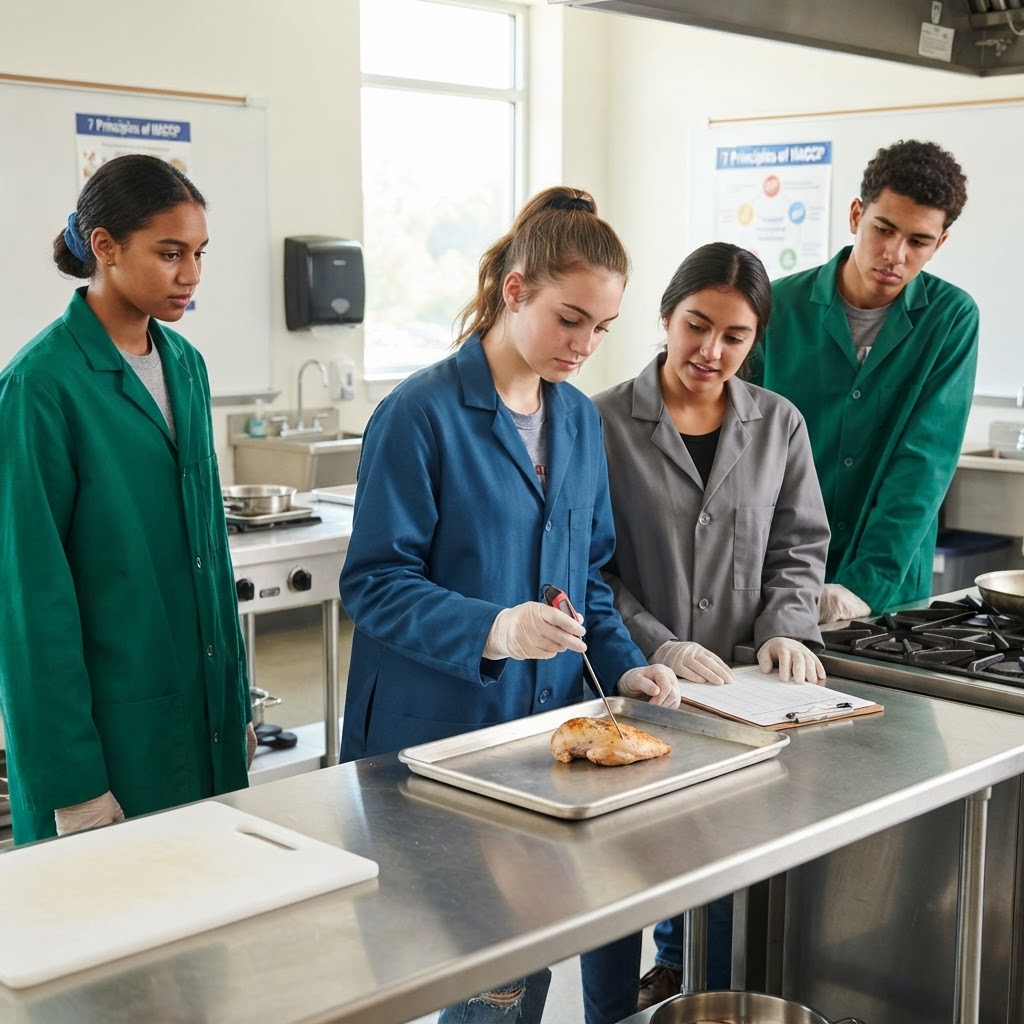
Consistent temperature logs are difficult to maintain during busy lab days.
Read article →
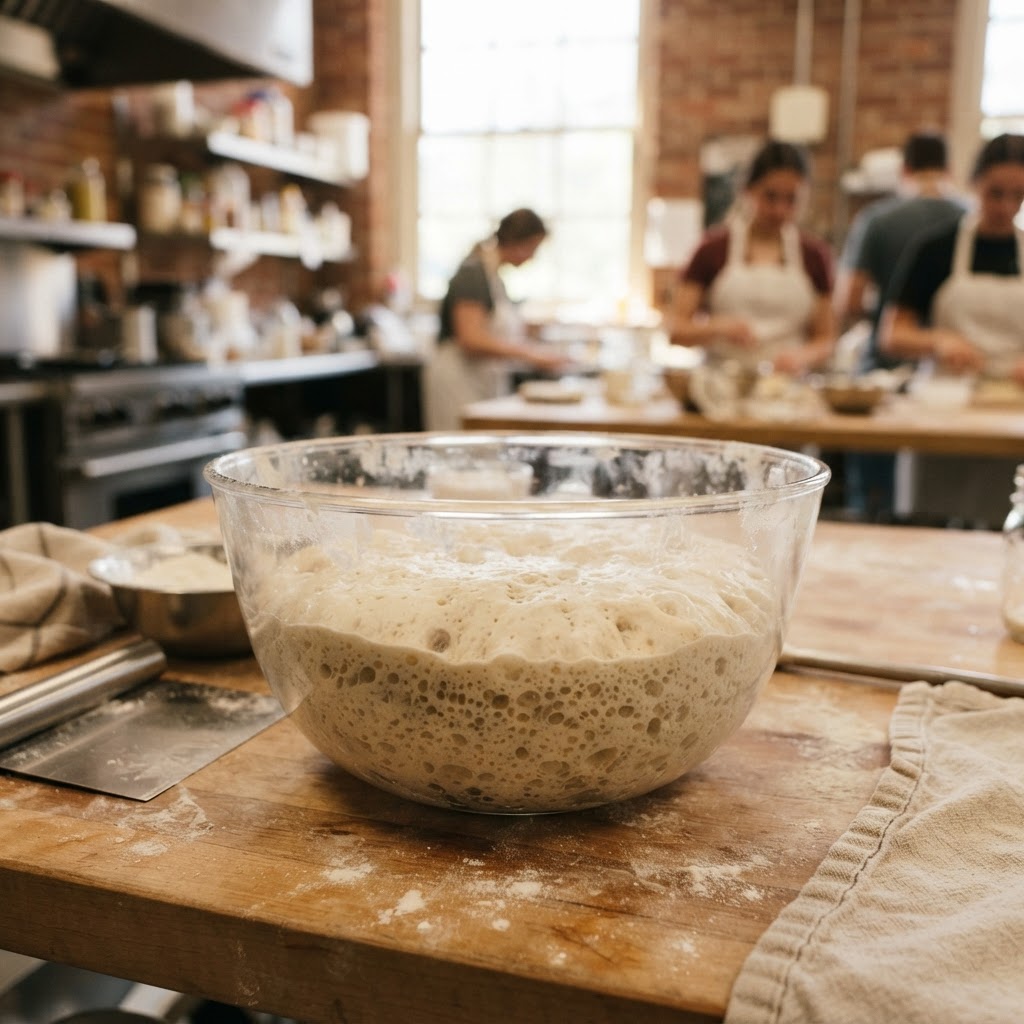
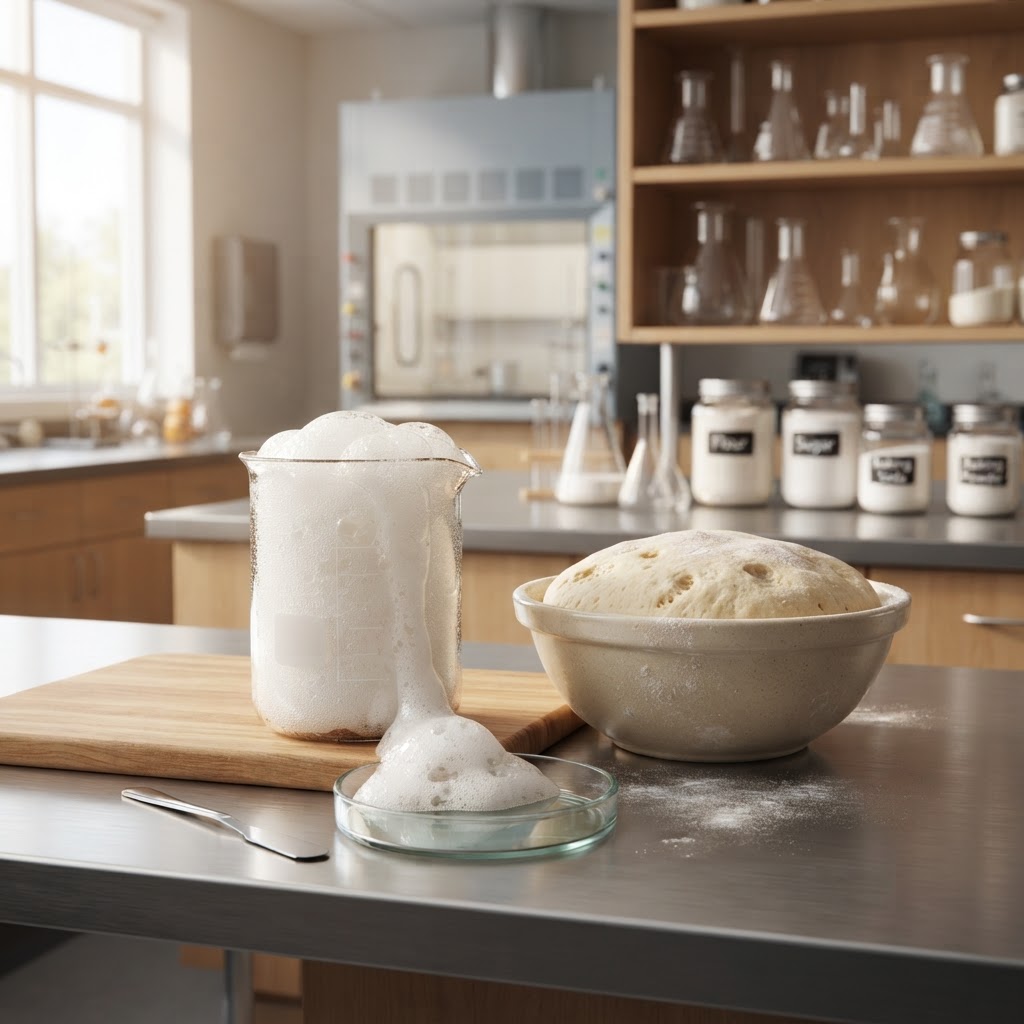
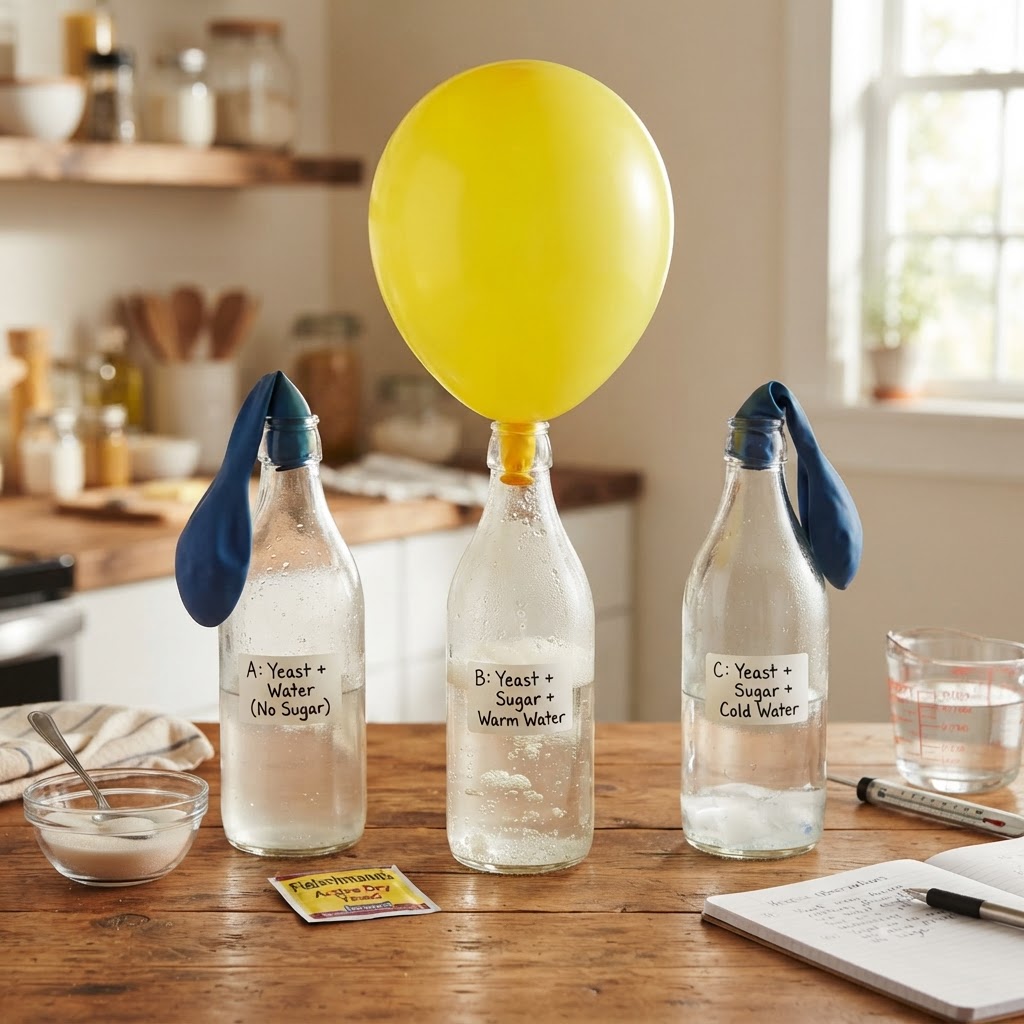
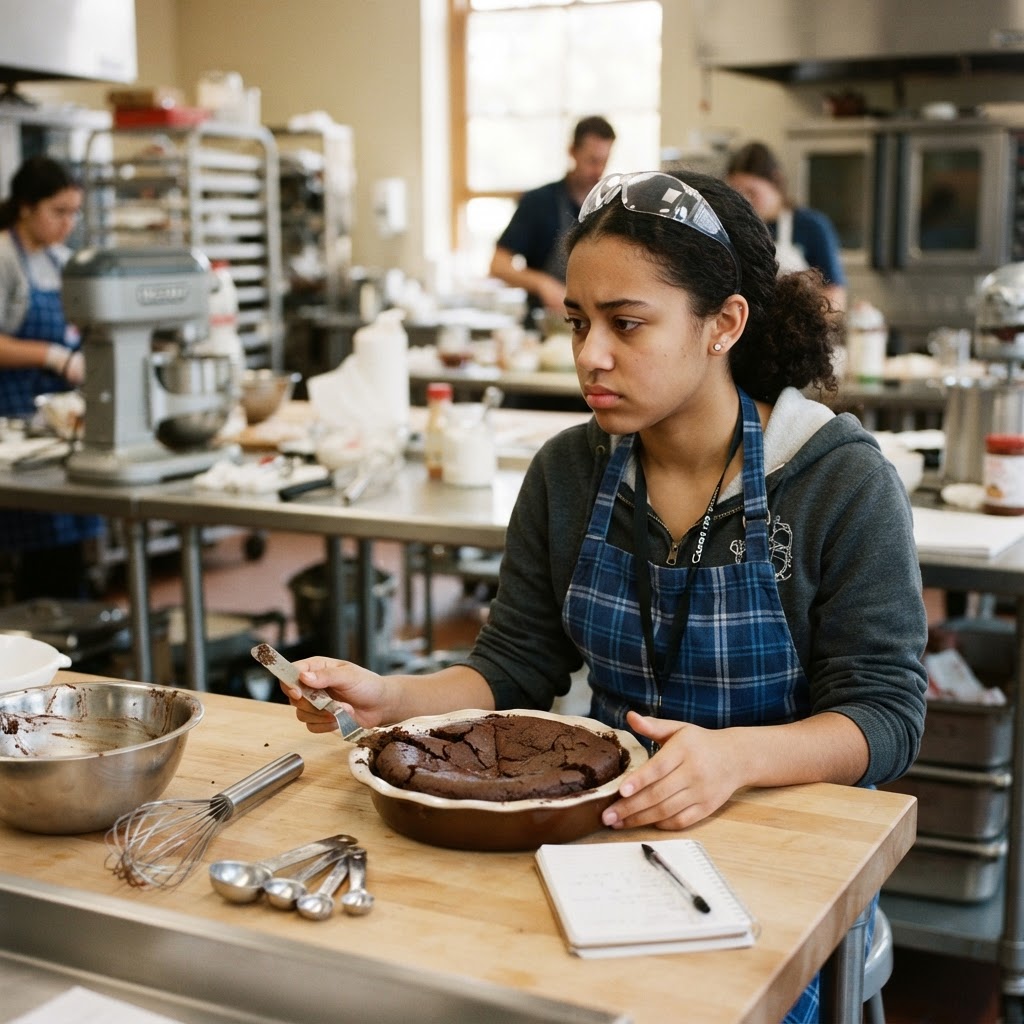
When dough fails to rise in the lab, this guide explains the biological process of fermentation to help students predict and control their bread results.
Read article →
Learn how chemical leaveners, steam, and biological agents function to create the perfect rise in your classroom baked goods experiments.
Read article →
Teach your students why using digital scales instead of measuring cups is essential for achieving consistent, professional results in every baking project.
Read article →
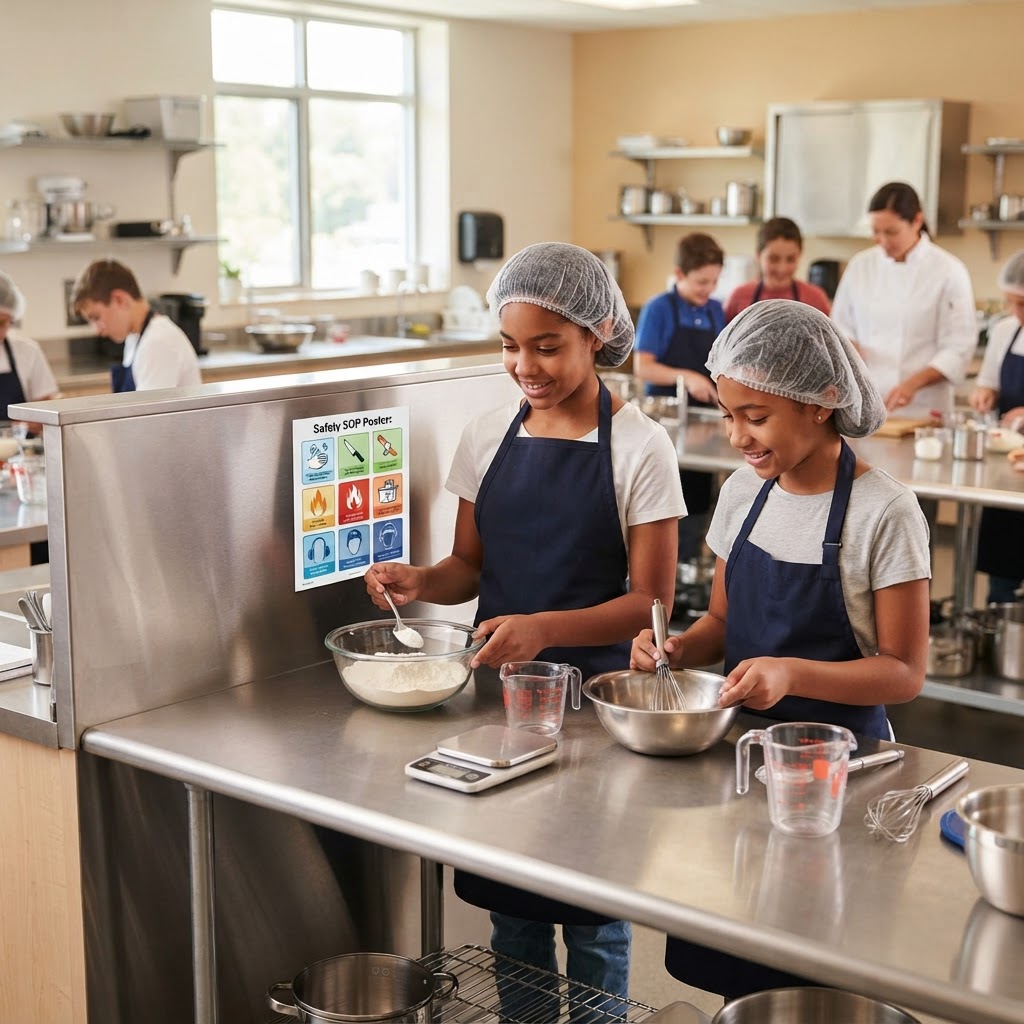
Learn how to use science-backed safety protocols and student-led accountability to create a safe, consistent, and professional food lab environment for your …
Read article →
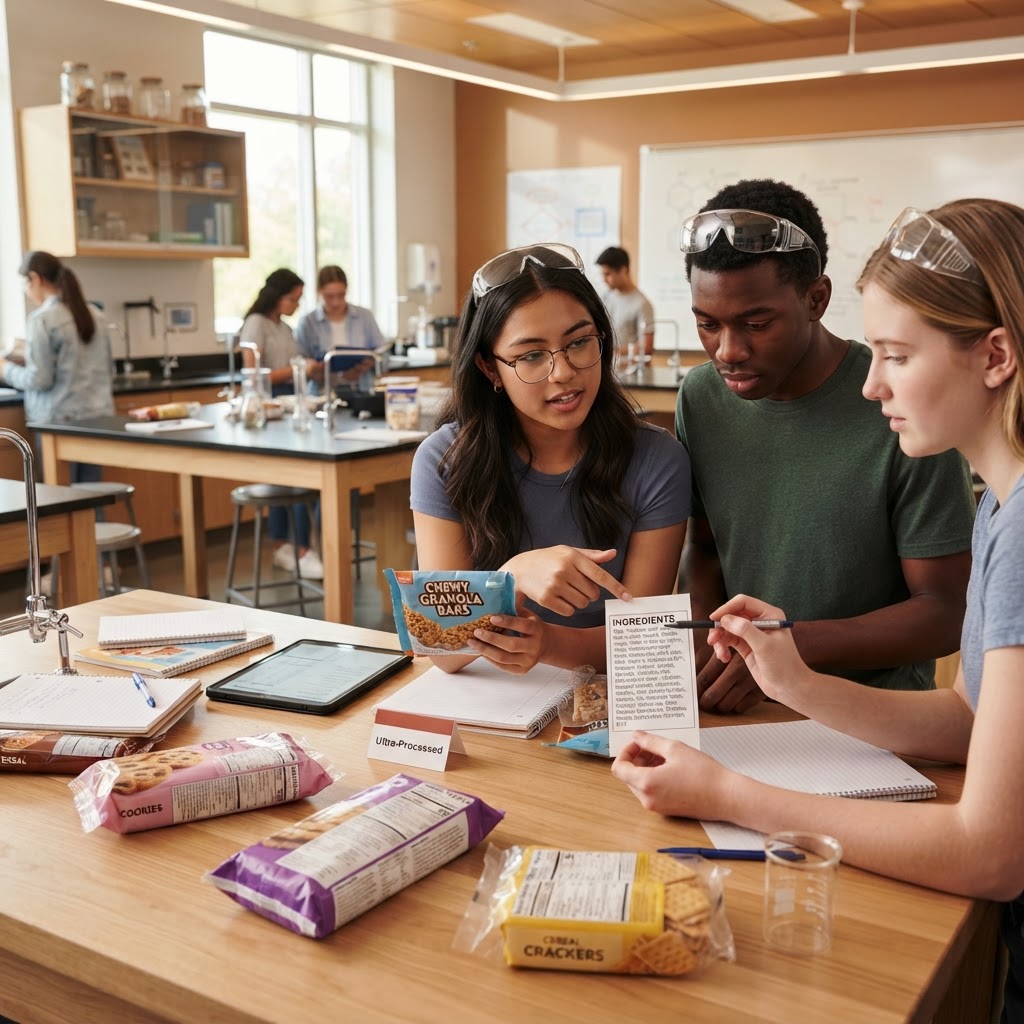
This guide helps teachers use the NOVA classification system to teach students about food engineering, industrial processing, and reading complex ingredient …
Read article →
This guide provides high school teachers with practical strategies and laboratory activities to teach the complex biology behind food fermentation.
Read article →
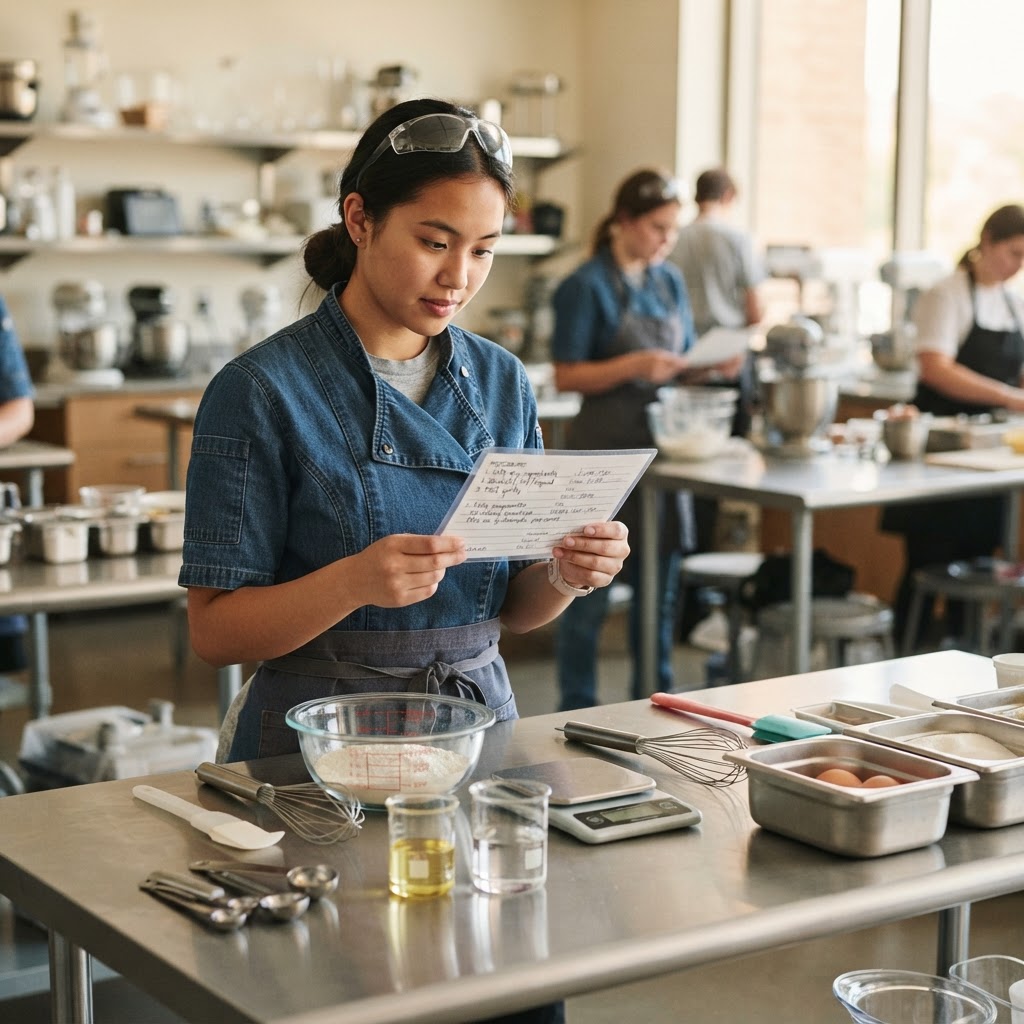
Build student independence by teaching them to treat recipes as scientific procedures rather than simple lists of tasks.
Read article →
Discover the science behind bread rising by exploring how yeast uses fermentation to create gas and build a perfect gluten structure.
Read article →